
Chasing the Geminids in 2026: My Favorite Dark-Sky Spots to See the Show
Every December I start checking the weather like a kid waiting for snow. The Geminids are my favorite meteor shower—not because they're flashy, but because they're reliable. NASA calls the Geminids one of the best and most regular annual showers, and in a dark sky with no Moon you can see up to 150 meteors per hour at peak. In 2026, the shower runs roughly from November 19 to December 24 and peaks around December 13–14. Moonlight is the wild card: a bright Moon can cut the rate to a few dozen per hour, so check the phase and pick a dark site. 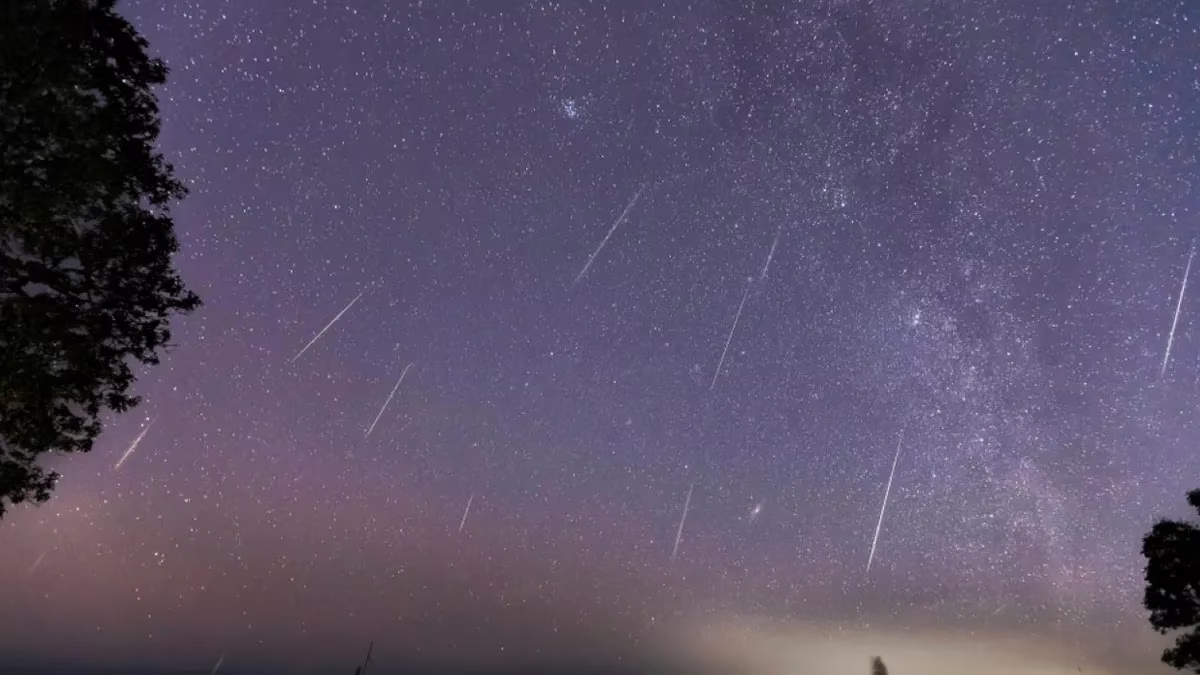 Even a modest Geminid night is worth the trip. These meteors are fast and often bright, and the shower keeps going for weeks. I like to arrive before sunset, let my eyes adjust for at least 20–30 minutes, and bring a red flashlight so I don't wreck my night vision. A reclining chair, warm layers, and a thermos are non-negotiable for me.
My quick Geminid checklist
-
Get away from artificial light. A true dark sky is the whole game. 🌌
-
Check the Moon phase and the local weather before you commit.
-
Plan for the hours after midnight, especially around 2–3 a.m.
-
Bring a red flashlight, a chair or blanket, and more layers than you think you need.
-
Skip the telescope for meteors. Your eyes and a wide-open view are enough.
-
Be patient. Meteors come in bursts, and the quiet minutes are part of the fun.
Ten dark-sky spots I'd happily visit for the 2026 Geminids
These are in no particular order. I've focused on places that are genuinely dark, easy to love, and good for a first-time meteor watcher or a seasoned astrophotographer.
| Spot | Where | Why it made my list | One detail I like |
|---|---|---|---|
| Joshua Tree National Park | California, USA | A desert oasis, climbing haven, and photographer's paradise all in one | It's an International Dark Sky Park, and Cottonwood Campground has some of the darkest sky in the park |
| Boschplaat | Terschelling, Netherlands | A huge natural preserve on the island's eastern coast with open sky | About a third of the island is protected here, and eight spots are dedicated to stargazing |
| Kozushima | Japan | A small island that has done serious work to protect its night sky | More than 400 street and road lights were replaced with dark-sky-friendly fixtures in 2020 |
| White Sands National Park | New Mexico, USA | Shimmering white dunes and very little to block the sky | There are 10 wilderness campsites on the largest gypsum dune field in the world |
| Denali National Park | Alaska, USA | Wild, remote, and dark—with an aurora bonus | The best stargazing window is often midnight to 2–3 a.m. |
| Rocky Mountain National Park | Colorado, USA | Trail Ridge Road gives you big, open views and easy pullouts | The Alpine Visitor Center sits at almost 12,000 feet, and Estes Park Memorial Observatory is near base camp |
| Mercantour National Park | France | One of France's ten national parks, and seriously dark | Near Valberg, La Bulle du Cians offers a bubble dome and a telescope for sleeping under the stars |
| Northumberland International Dark Sky Park | England | One of Europe's best meteor-watching regions | Kielder Forest is the third-largest protected Dark Sky reserve in the world, and Kielder Observatory is right in the middle |
| Finger Lakes | New York, USA | A relaxed, spread-a-blanket kind of stargazing region | It's great for constellations, shooting stars, and lying back under the sky |
| Death Valley National Park | California, USA | One of the darkest skies in the nation | It was the third International Dark Sky Park in the U.S. National Park System, and rangers set up telescopes around the New Moon |
If I had to pick a first trip, I'd probably start with Joshua Tree or Death Valley because they're easy to combine with a long weekend. For a family-friendly night, Kielder Observatory sounds hard to beat. And for a bucket-list sleep under the stars, the bubble dome at La Bulle du Cians in Mercantour is exactly my kind of weird and wonderful.
How I'd plan the night
I'd aim for the peak nights around December 13–14, but I'd also keep a backup night on either side. The Geminids are active for weeks, and a clear night before or after peak often beats a cloudy peak night. In the Northern Hemisphere, the radiant climbs higher after midnight, so the early morning hours are usually the most productive. If the Moon is bright, I'd look for a site with a wide western or eastern horizon and use the Moon itself as a natural lamp—then focus on the darker part of the sky.
A few more things I've learned: bring a headlamp with a red mode, keep your phone dim, and don't expect every minute to be action-packed. Meteor watching is slow, social, and a little bit meditative. The best moments usually arrive when you stop counting. So pick a dark-sky park, check the forecast, and give yourself the gift of a quiet night under the Geminids. ✨
Comments