
Colorado as My Open-World Playground: A 2026 Adventure Quest
Colorado hit me like a surprise boss fight: I expected mountains, but I got ancient cliff dwellings, whitewater rapids, ghost towns, hot springs, and alpine trails all packed into one state. When I planned my 2026 run through the Rockies, I treated the trip like an open-world game. My rule was simple: clear the main quests, chase the side quests, and never fast-travel past a good view. 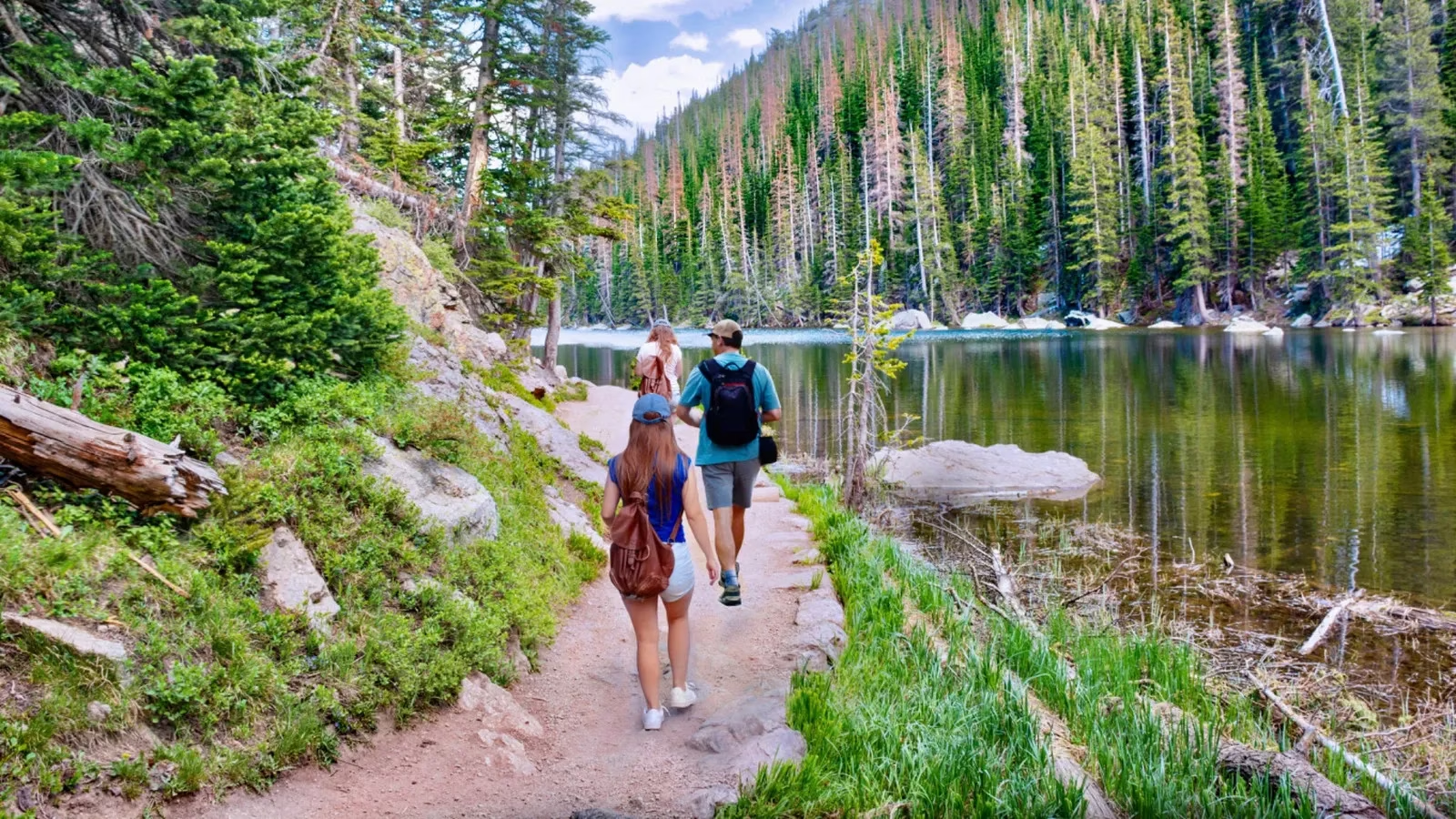
I started near Denver at Garden of the Gods, and no joke, the rock formations knocked my socks off. The park has 21 miles of trails, free entry, and free guided tours daily at 10 am and 2 pm, which is a solid way to learn about the rocks and animals without guessing. I also booked the 1.5-hour rock climbing session because it is family and beginner-friendly, but you should reserve a spot in advance. For a gamer brain like mine, it felt like a tutorial level with a legendary backdrop.
Denver itself is a great base camp. It sits close to Red Rocks Amphitheatre and Rocky Mountain National Park, and the 23-acre Denver Botanic Garden has 50 theme gardens for nature lovers who want a slower pace. I spent a morning at the Children’s Museum of Denver, where the interactive exhibits got parents and kids playing cashier and listening to stories. It was a nice plot twist from all the adrenaline.
Then I went full ghost-hunter mode in St. Elmo. This well-preserved former mining town in Chaffee County has 43 buildings, including a mercantile, a saloon, a courthouse, and private homes dating back to the 1880s. The seasonal St. Elmo General Store sells souvenirs, and the Ghost Town Guest House stays open all year. I walked to the cemetery for spooky vibes and caught a glimpse of the town’s former inhabitants. Winter is the eeriest time, with snow turning the empty buildings into a perfect backdrop. It is quiet in a way that makes you whisper.
For the main adrenaline quest, I headed to the Arkansas River. It has over 150 miles of water and 80 rapids from Class II to Class V, with four rafting locations. Browns Canyon Class III-IV is the most popular choice for families and beginners, while advanced rafters go for the Numbers Class IV-V or Pine Creek Class V. The best months are May through September, though the rapids change intensity when snow melts from nearby mountains. I paddled, screamed, laughed, and definitely swallowed some river water. Totally worth it.
Next came the Durango & Silverton Narrow Gauge Railroad, a world-famous combo of mining history, unobstructed Rocky Mountain views, and comfortable travel. The train runs all year and shows off Colorado’s changing seasons. In summer, from May to October, it travels from Durango to Silverton; riders hear the babbling Animas River and see the San Juan Mountains. Winter trips run from late November to early May, and I kept my eyes peeled for wildlife, old mining camps, and the Tacoma Power Plant. It felt like a cinematic cutscene I did not want to skip.
Pikes Peak was another bucket-list checkpoint. Hikers can take Barr Trail to the summit, which takes about 8 to 14 hours, or bike or drive up the twisty toll road. At the top, I celebrated with donuts and sandwiches from the Pikes Peak Visitor Complex while soaking in panoramic views. The complex also has interactive exhibits about conservation projects and history, plus souvenirs. My advice: do not underestimate the altitude, and do not skip the donuts.
Breckenridge was my ski-and-chill level. It is a resort-like mountain town with beginner-friendly slopes, three base areas, and five mountains. Peaks 7 through 9 are the main access points for lessons, rentals, and tickets. Peaks 8 and 9 suit beginners and skiers polishing skills before Peak 7, which is better for intermediate skiers. For girls aged 7-14, Ski Girls Rock is a special program, while Breck Bombers Ski provides lessons for all kids. I watched beginners level up in real time, and honestly, their stoke was contagious.
Mesa Verde National Park gave me the history boss battle. The cliff dwellings date from 1190 to the 1270s and offer a glimpse into early Pueblo life. The tour takes about 4 hours and follows chronological order from 600 AD to the 13th century. The park has two sections, Chapin and Wetherill Mesas, with Chapin being the most visited. Cliff Palace has over 150 rooms and 23 kivas, making it the largest and most famous cliff dwelling. Tickets are purchased for Long House, Balcony House, or Cliff Palace, and the only way to see the best attractions is with a certified guide. That guide turned dry dates into a living story.
After all that, Glenwood Hot Springs Pool was the recovery zone. These historic geothermal waters have lured visitors since the 19th century, and the Ute people were among the earliest to soak there, believing the waters healed ailments. It is the largest mineral pool in the world at 122 °F, though the resort cools the Therapy Pool to 104 °F and the enormous main pool to between 90° and 93 °F. Kids play aquatic games in the main pool while adults relax at the Therapy Pool with submerged benches and bubble chairs. My muscles sent a thank-you note.
I finished with Rocky Mountain National Park, which stretches over 400 square miles. Travelers come for scenery, waterfalls, wildlife, lakes, and forests, and camping is only allowed in designated places. The easiest family-friendly win is hiking to Alberta Falls: a 2.6 km rocky trail that alternates between aspen groves and pine forests, then rewards you after about an hour with a 30-foot waterfall cascading down Glacier Creek’s narrow canyon. It was the perfect final save point.
In 2026, I would still double-check current seasonal schedules and reservation systems before locking in dates, because Colorado’s best quests fill up fast. But the formula is simple: mix the thrill rides with the quiet places, respect the altitude, book the guided tours, and leave room for spontaneous side quests. Colorado is not just a destination; it is a whole open-world map, and I am already planning my next run. 🏔️🎮
Comments