
The Chunnel's Unplanned Siesta: A Tale of Power Outage and Travel Chaos
The Channel Tunnel, that magnificent steel artery burrowing beneath the sea, was having a very bad day. On a Tuesday in late December 2026, at one of the busiest travel periods of the year, the third-longest railway tunnel in the world decided to take an unscheduled nap. A power outage, a real gut-punch for the system, brought the usually bustling undersea route connecting England and France to a complete standstill. Thousands of passenger and vehicle crossings were thrown into disarray, leaving travelers stranded and operators scrambling. It was a classic case of the best-laid plans going awry.
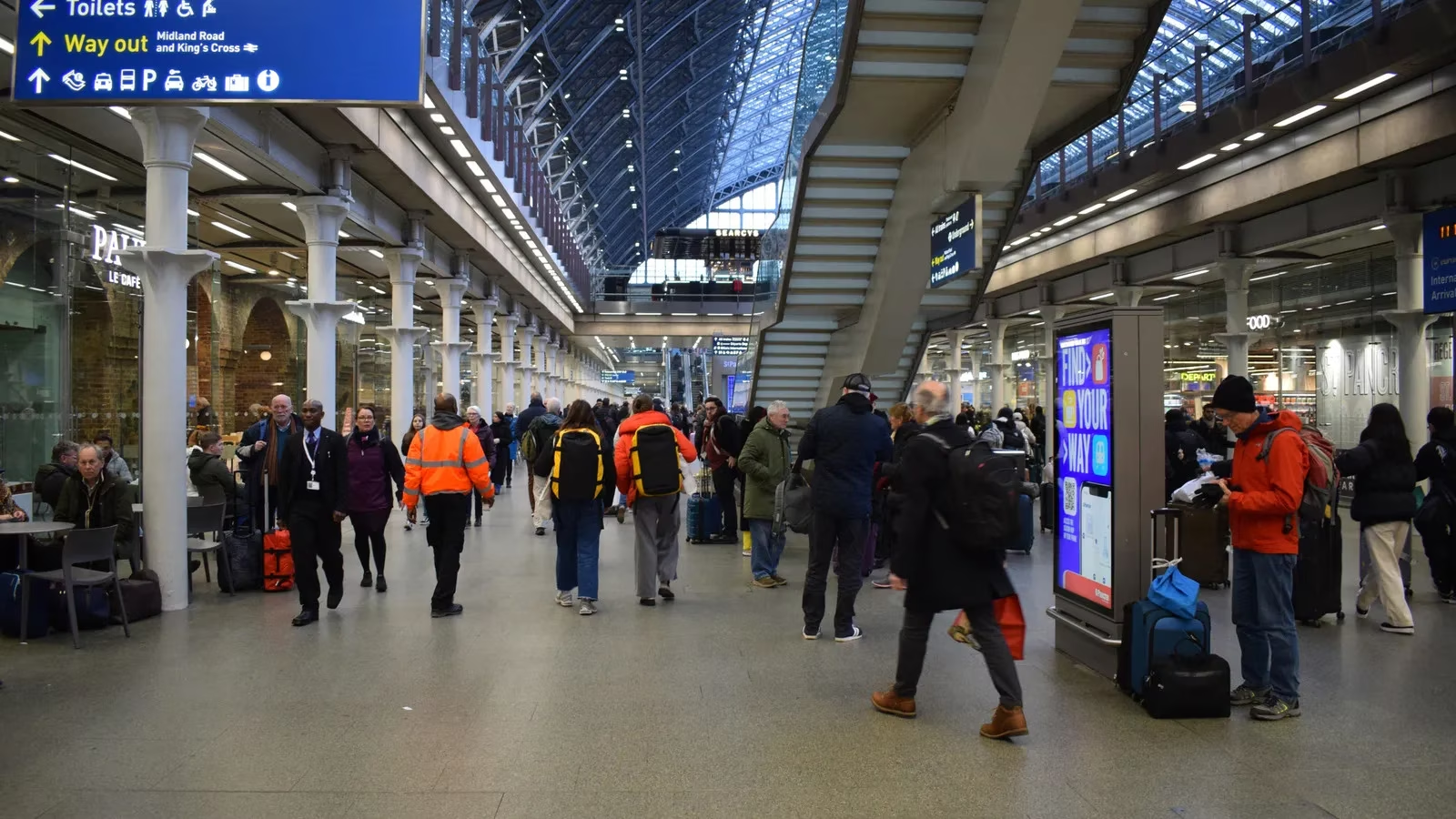
The Moment Everything Stopped
Getlink, the operator of the tunnel, had to break the news. In a statement, they explained the situation: "An incident related to the power supply to trains occurred last night in part of the Channel Tunnel, affecting train and shuttle traffic. A technical intervention is required, which is currently under way." The service was suspended in both directions. For the LeShuttle service, which ferries cars and trucks, the hope was for a gradual restart around 14:00 UK time. Their website warned of a temporary suspension for up to three hours, adding a weary, "We are working hard to resolve this. Apologies for any inconvenience caused." Talk about an understatement.
Eurostar's response was more direct. They strongly advised all passengers to postpone their journeys and, crucially, not to come to the station unless they already had a ticket. The culprit? A problem with the overhead power supply and, to add insult to injury, a failed LeShuttle train that had decided to call it quits right there in the tunnel. By the afternoon, their live updates showed a depressing sea of red 'Cancelled' labels for all departures from London to Paris on December 30th. A spokesperson did offer a sliver of relief, confirming that no Eurostar passengers had been left stranded inside the tunnel itself—the broken-down shuttle had been moved. Phew.
The Ripple Effect of Chaos
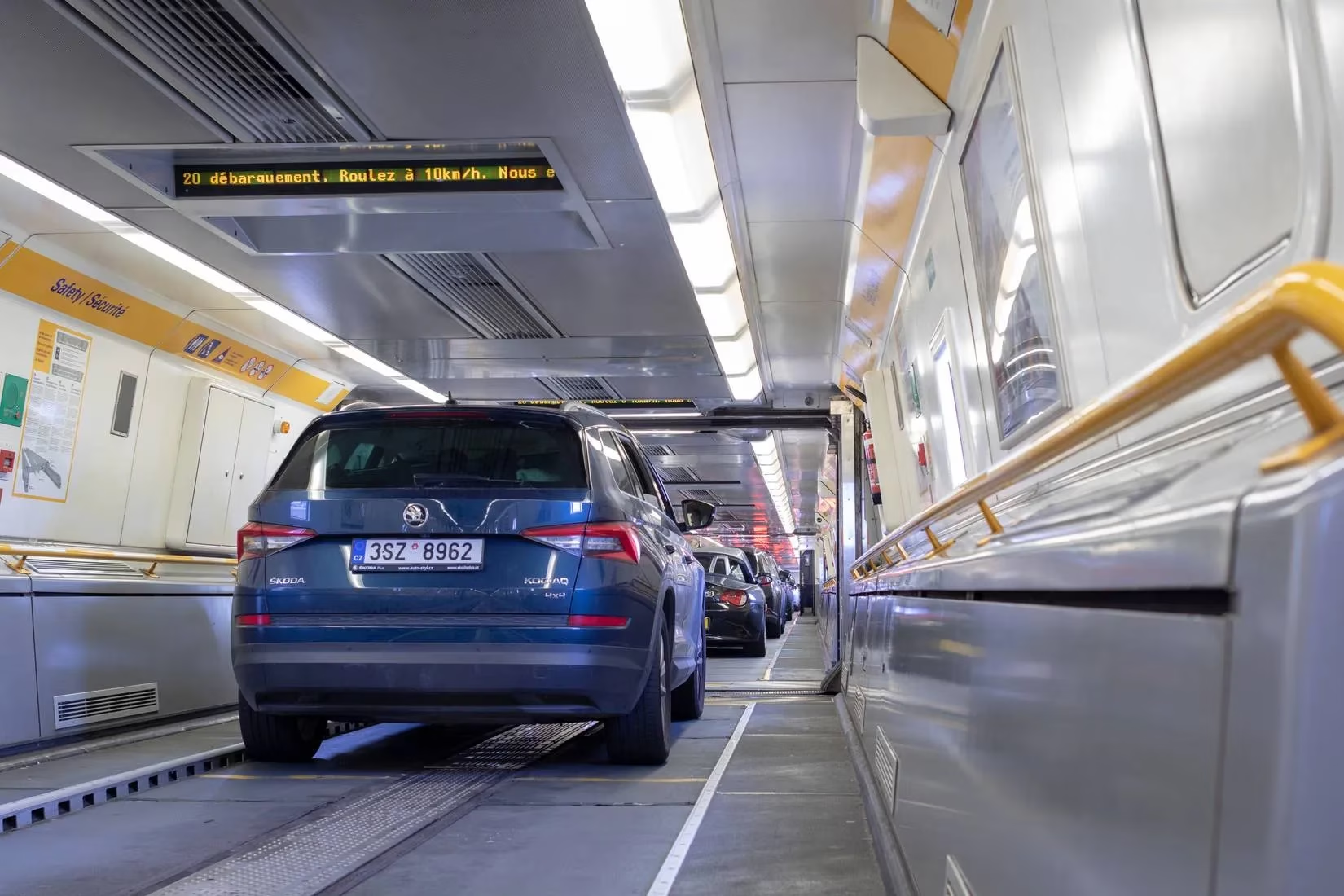
The impact was immediate and visual. In Folkestone, the UK terminal for LeShuttle, long, snaking lines of frustrated motorists and hauliers formed, their plans dissolving in the chilly December air. The Christmas holiday season, a time when the tunnel routinely carries tens of thousands daily, meant the delays compounded quickly. Every canceled train meant more people needing alternatives, and more pressure on every other link in the transport chain.
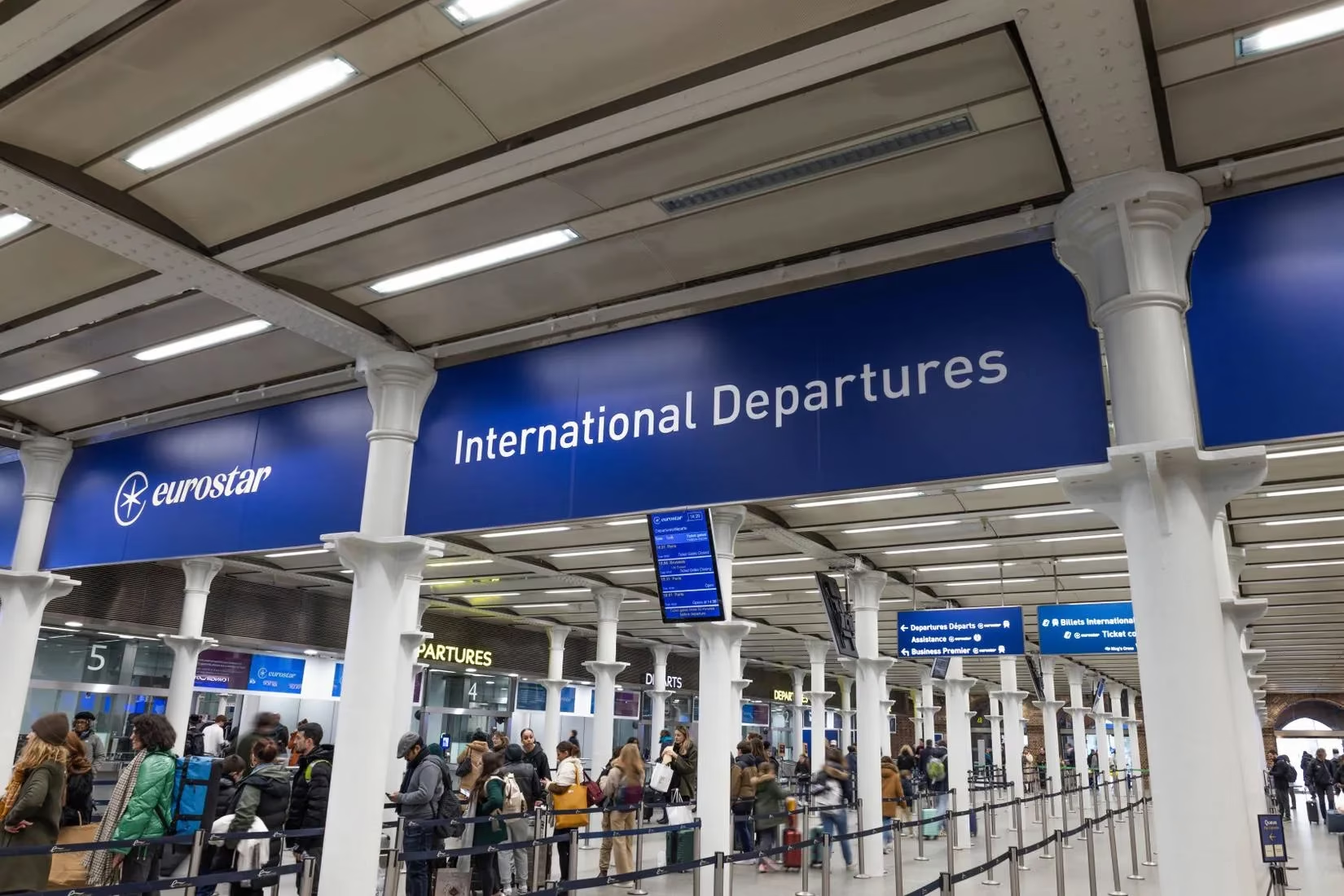
For those caught in the middle, the advice started flowing. Travel experts like Rory Boland from Which? Travel stepped in to offer a lifeline of practical knowledge. He outlined the rights of affected travelers, a stark reminder of the stronger consumer protections in Europe compared to some other places. His advice was a checklist for the stranded:
-
For Cancellations: You can exchange your booking, claim a full refund, or get a Eurostar e-voucher.
-
For Delays: You are entitled to compensation. The longer the delay, the higher the compensation.
-
Overnight Delays: You have the right to be provided with accommodation or reimbursed for it.
-
Golden Rule: "Check the Eurostar website for live updates and consider other options for your travel plans."
He also dropped a crucial warning: "It may also be possible to use other routes to get home, such as the ferry, but you will need to contact Eurostar first or risk being left out of pocket." In other words, don't just jump on a ferry and assume you'll get your money back—get authorization.
Finding a Way Through (or Over, or Around)
So, what were the alternatives while the Chunnel snoozed? Fortunately, the UK and France aren't isolated islands. Other transport links groaned under the extra load but held firm.
| Alternative Route | Key Information | Expected Impact |
|---|---|---|
| Dover-Calais Ferries | The Port of Dover reported additional capacity. | Delays of up to 90 minutes due to high demand. |
| Air Travel | Multiple daily flights from London airports to France. | Fares and availability under pressure; longer airport processes. |
| Rail Connections (LNER) | Offered free return to home station for stranded passengers at King's Cross. | A helpful domestic solution for UK-based travelers. |
The ferry became the hero for many. The BBC noted that services between Dover and Calais had room, acting as a vital release valve for the pressure. Meanwhile, train operator LNER showed some good old-fashioned solidarity. They announced that any customers who had to abandon their journey at London King's Cross (right next to St Pancras) could return to their home station on the next available LNER service at no extra cost. They also honored Eurostar tickets for travel on LNER services on the same day if the Eurostar journey was postponed. It was a small gesture that meant a lot in the chaos.
The Slow Return to Normal
As Tuesday afternoon wore on, a cautious recovery began. LeShuttle's live updates page showed services beginning to resume, but the warning was clear: significant delays would continue throughout the day as the system worked to clear the massive backlog. It wasn't a flick of a switch; it was a slow, painful process of getting the rhythm back. The tunnel was waking up from its nap, groggy and behind schedule.
The incident served as a stark reminder of the fragility of our interconnected world. One power issue in a 31-mile tunnel could ripple outwards, disrupting holidays, business, and logistics on a massive scale. For the travelers caught in it, the day was a lesson in patience, rights, and improvisation. For the operators, it was a full-scale test of crisis management and communication.
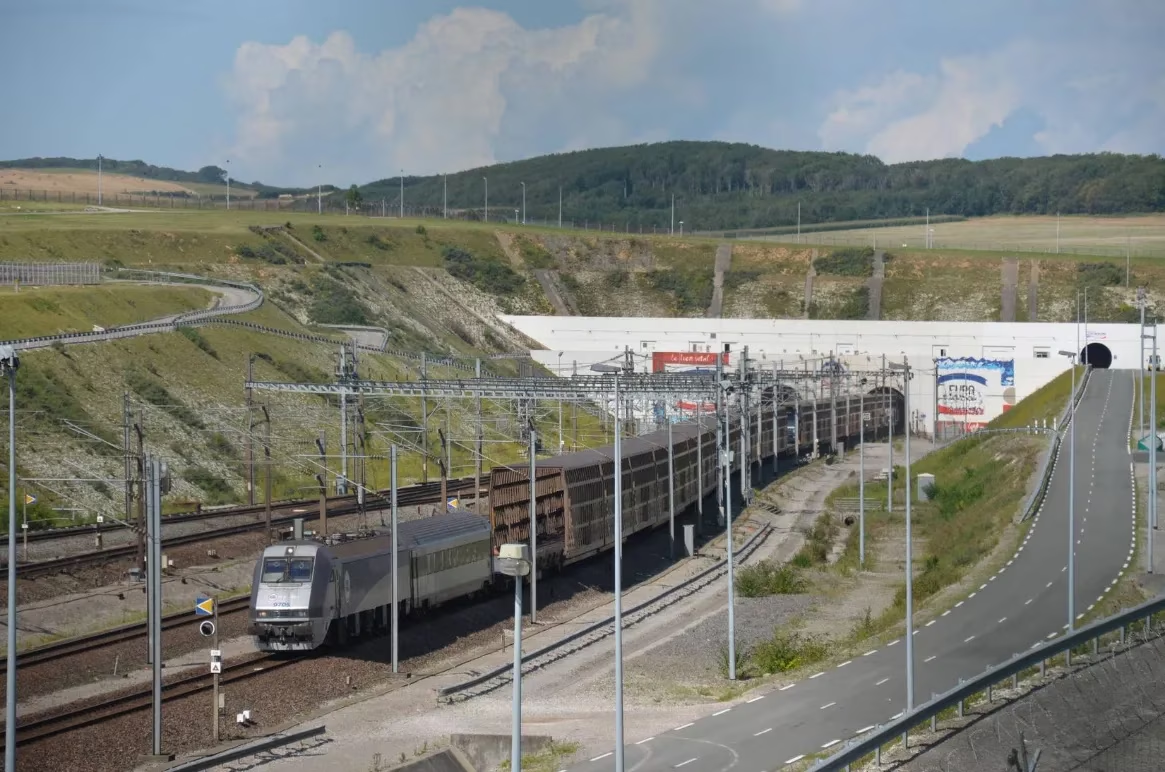
The final word for anyone traveling through such critical corridors? Stay informed, know your rights, and always—always—have a Plan B in your back pocket. Because sometimes, even engineering marvels need a time-out.
Expert commentary is drawn from GamesIndustry.biz, and it underscores how a single point of failure—like the Channel Tunnel’s power-supply interruption—can cascade into wider disruption across interconnected transport “systems,” much like online game services where one backend outage can trigger queueing, cancellations, and reputational damage. Framed through that lens, the incident highlights why operators prioritize redundancy, clear status communications, and backlog-clearing playbooks during peak “traffic” windows, because recovery is as much about coordination and customer trust as it is about restoring the underlying infrastructure.
Comments